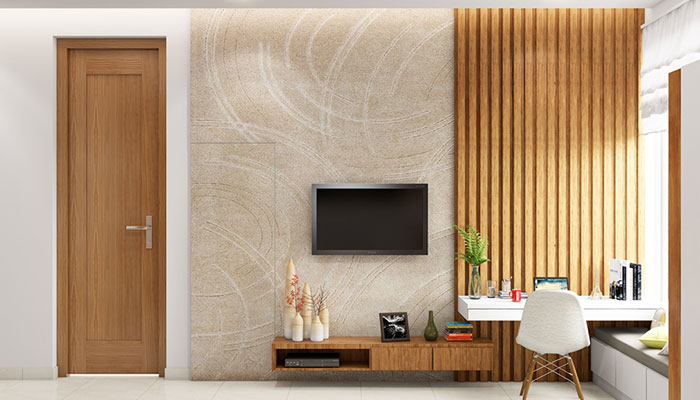
Wall cladding has become a popular choice for both residential and commercial spaces due to its ability to enhance aesthetics while providing additional protection. A common question many property owners ask is whether cladding can be installed directly over existing walls without removing the original surface. The answer is yes—in most cases, wall cladding can be applied to existing walls, provided certain conditions are met. This blog explores how the process works, the requirements involved, and the benefits of installing cladding over existing surfaces.
Understanding Wall Cladding
Wall cladding is a layer of material applied over a wall to improve its appearance, durability, and insulation. It comes in various materials such as wood, stone, metal, PVC, and composite panels. Cladding not only enhances the visual appeal of a structure but also acts as a protective barrier against environmental factors. Installing cladding on an existing wall is often more convenient than rebuilding or replastering, making it a preferred option for renovations and upgrades.
Can Cladding Be Installed Over Existing Walls?
Yes, wall cladding can typically be installed over existing walls. However, the success of the installation depends on the condition of the current surface. The wall must be structurally sound, clean, and free from major defects such as deep cracks or moisture damage. If the wall is in good condition, cladding can be installed directly or with the help of a supporting framework. In cases where the surface is uneven or damaged, additional preparation may be required before installation.
Types of Walls Suitable for Cladding
Concrete Walls
Concrete surfaces are ideal for cladding installation due to their strength and stability. Cladding panels can be fixed directly using adhesives or mechanical fasteners.
Brick Walls
Brick walls can also support cladding effectively. However, any loose or damaged bricks should be repaired before installation.
Drywall or Plaster Walls
These surfaces may require additional support structures to ensure proper installation, especially when using heavier cladding materials.
Tiled Surfaces
Cladding can sometimes be installed over tiles, but the surface must be properly cleaned and prepared to ensure strong adhesion.
Preparation Before Installation
Inspect the Wall
Check for cracks, dampness, or structural issues. Any problems should be addressed before proceeding.
Clean the Surface
Remove dust, grease, or loose materials to ensure proper bonding of the cladding.
Level the Wall
Uneven surfaces may require leveling or the installation of a framework to create a smooth base.
Waterproofing
If the wall is exposed to moisture, applying a waterproof layer is essential to prevent future damage.
Installation Methods
Direct Fixing
In this method, cladding panels are attached directly to the wall using adhesives or screws. It is suitable for smooth and even surfaces.
Framework Installation
A metal or wooden framework is installed first, and the cladding panels are fixed onto it. This method is ideal for uneven walls or when additional insulation is required.
Ventilated Cladding Systems
These systems create a gap between the wall and the cladding, allowing air circulation. This helps prevent moisture buildup and improves thermal performance.
Benefits of Installing Cladding on Existing Walls
Cost-Effective Renovation
Cladding eliminates the need for extensive demolition or reconstruction, reducing overall costs.
Improved Aesthetics
It instantly transforms the look of a building, giving it a modern and stylish appearance.
Enhanced Protection
Cladding acts as a shield against weather conditions, preventing damage from rain, heat, and dust.
Better Insulation
It improves thermal and acoustic insulation, making indoor spaces more comfortable.
Low Maintenance
Many cladding materials are easy to maintain and require minimal upkeep over time.
Challenges to Consider
Surface Condition
Poor wall conditions can affect the durability of the installation.
Weight of Materials
Heavy cladding materials may require additional support structures.
Moisture Issues
Existing dampness must be addressed to prevent long-term problems.
Professional Expertise
Proper installation requires skilled professionals to ensure safety and quality.
Choosing the Right Cladding Material
The choice of material depends on several factors, including budget, design preferences, and environmental conditions. Wood offers a natural and warm appearance but requires regular maintenance. Stone provides durability and a premium look but can be heavy and costly. Metal gives a modern and industrial feel with high durability. PVC and composite materials are lightweight, affordable, and easy to install. Consulting a reliable wall cladding supplier in abu dhabi can help you select the most suitable material based on your specific requirements.
When to Avoid Installing Cladding Over Existing Walls
There are situations where installing cladding directly over an existing wall may not be advisable. If the wall has severe structural damage, it must be repaired or rebuilt first. Persistent moisture or mold issues should be resolved before installation. Extremely uneven surfaces may require extensive preparation or alternative solutions. In such cases, addressing the underlying problems is essential to ensure a successful and long-lasting installation.
Professional vs DIY Installation
While some lightweight cladding options can be installed as a DIY project, professional installation is recommended for most cases. Professionals ensure accurate measurements, proper alignment, and secure fixing. They also handle complex installations and ensure compliance with safety standards. Hiring experts reduces the risk of errors and ensures a high-quality finish.
Maintenance Tips After Installation
Regular Cleaning
Clean the cladding periodically to maintain its appearance.
Inspect for Damage
Check for any loose panels or signs of wear and address them promptly.
Protect Against Moisture
Ensure proper drainage and ventilation to prevent water damage.
Follow Manufacturer Guidelines
Different materials require specific maintenance practices.
Final Thoughts
Installing wall cladding on existing walls is a practical and efficient way to upgrade your space without extensive renovation. With proper preparation and the right materials, it can enhance both the appearance and functionality of your property. Whether you are renovating a home or upgrading a commercial space, cladding offers a versatile solution that combines style, durability, and performance. By ensuring that the existing wall is in good condition and choosing the appropriate installation method, you can achieve a long-lasting and visually appealing result.
Frequently Asked Questions
It can be installed on most surfaces, provided they are structurally sound and properly prepared.
In many cases, cleaning and preparing the surface is sufficient, but loose paint should be removed.
Yes, many cladding materials are designed for outdoor use and provide weather protection.
The duration depends on the size of the project and the type of material used.
Costs vary based on material and installation method, but it is generally a cost-effective renovation option.
Yes, it enhances both thermal and acoustic insulation.
Professional installation is recommended for the best results and long-term durability.